Body
Salt Scrub
3 fragrances
20 reviewsA sea salt body scrub that cleanses and remineralises the skin.
325 kr
Choose fragranceOnce or twice a week suits most people. Feet, elbows and knees take more than that. Delicate areas take less. What decides it is how your skin feels the next day, not how it looks in the shower.
Updated 9 September 2026
Once or twice a week. That is the recommendation you find everywhere, and it is reasonable — but it describes an average of bodies, seasons and hands that press with different force.
What actually sets the frequency is three things: where on the body you are scrubbing, how hard you do it, and what your skin is doing at the time. A winter heel and the inside of a forearm are not the same skin and should not be treated as though they were.
Feet, heels, elbows and knees. This is where skin is thickest, and where the result shows most clearly. Two to three times a week works for most people. If your heels are rough you can scrub them more often than the rest of you — nothing says the whole body has to be done in one go.
Legs, arms, back and shoulders. Once or twice a week. This is the area the general recommendation is really about.
Inner thighs, chest, neck, anything thin. Once a week, and a lighter hand. If you are unsure, this is where you start carefully.
The face. Not with a body scrub at all. The crystals are too large and the skin too thin.
In winter skin is drier and a scrub does more, but it also takes less. Indoor air is dry, showers are hotter and longer, and both draw at the skin. In practice it tends to land on the same frequency as summer but with a lighter hand — and with an oil or lotion afterwards every time, not sometimes.
In summer the sun sets the rules. You don’t scrub sunburnt skin at all, and before sun or self-tan you scrub the day before rather than the same day: colour settles more evenly on skin where the loose material is already gone, and you avoid scrubbing off a colour you have just applied.
Skin can look faintly pink straight after a scrub. That means nothing — warmth, friction and a hot shower do the same.
The signals that matter come later:
If any of those appear: wait a week, and come back with lighter pressure and longer gaps. It is almost always the pressure rather than the frequency that is at fault.
The most common mistake is to scrub less often but much harder, and to think of that as the gentler option. It isn’t. Salt crystals have edges and do their work on their own as they travel across the skin. Pressure on top of that drags at skin that is staying, not at skin that is going.
A simple test: if you can make the same movement with the same pressure on the inside of your wrist without it being unpleasant, the pressure is about right anywhere on the body.
Dry skin is not a reason to scrub more often. What comes away is loose surface skin — if there isn’t any, the crystals do nothing except work on skin that is still attached. Stay at once a week and put the effort into what happens after the shower instead: body oil on warm, damp skin, or body lotion if you need to get dressed straight away.
Don’t count the shave as a day without a scrub — count it as a scrub. The razor does part of the same job, and the two should not land on the same day. There is a separate page on it: salt scrub and shaving.
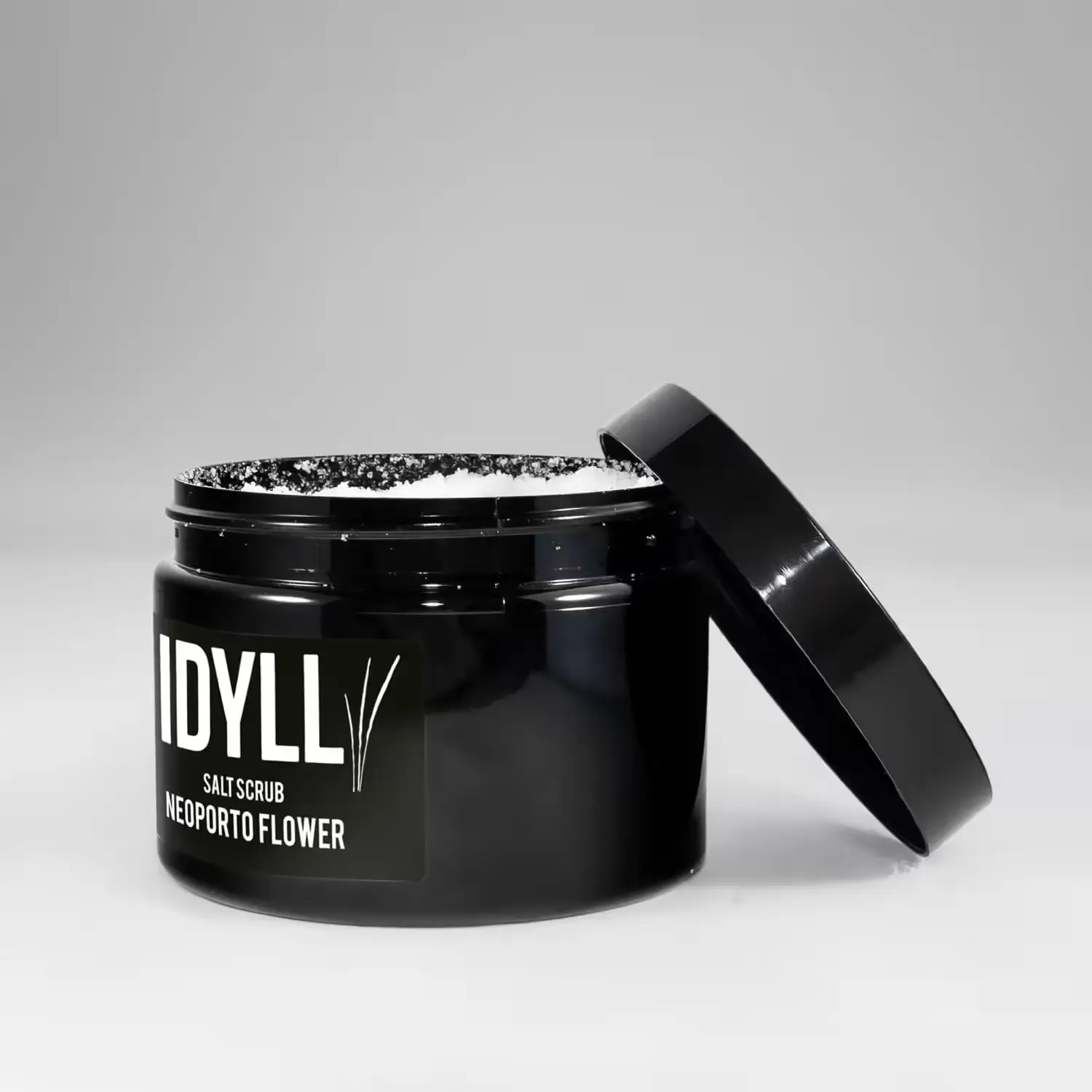
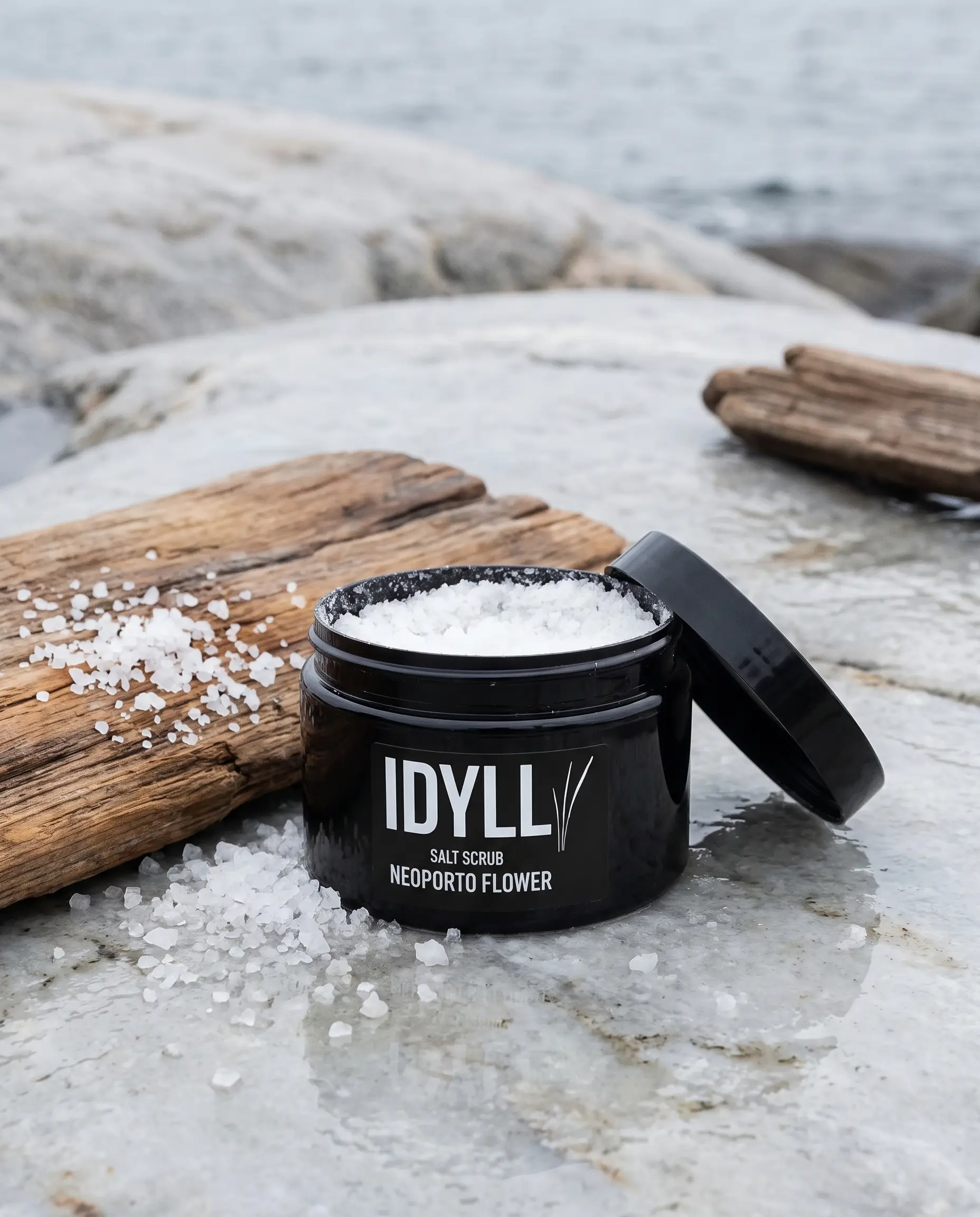
Our salt scrub is 400 g. At twice a week and a normal amount each time, that is a couple of months. The most common reason a jar runs out early is not how often it is used — it is being scooped straight out with a hand, which takes more than it feels like and carries water down into the oil. A wooden spoon solves both.
Read next
Body
A sea salt body scrub that cleanses and remineralises the skin.
Sign up and hear about new fragrances and sets first.
New fragrances and offers by email. Unsubscribe in one click.